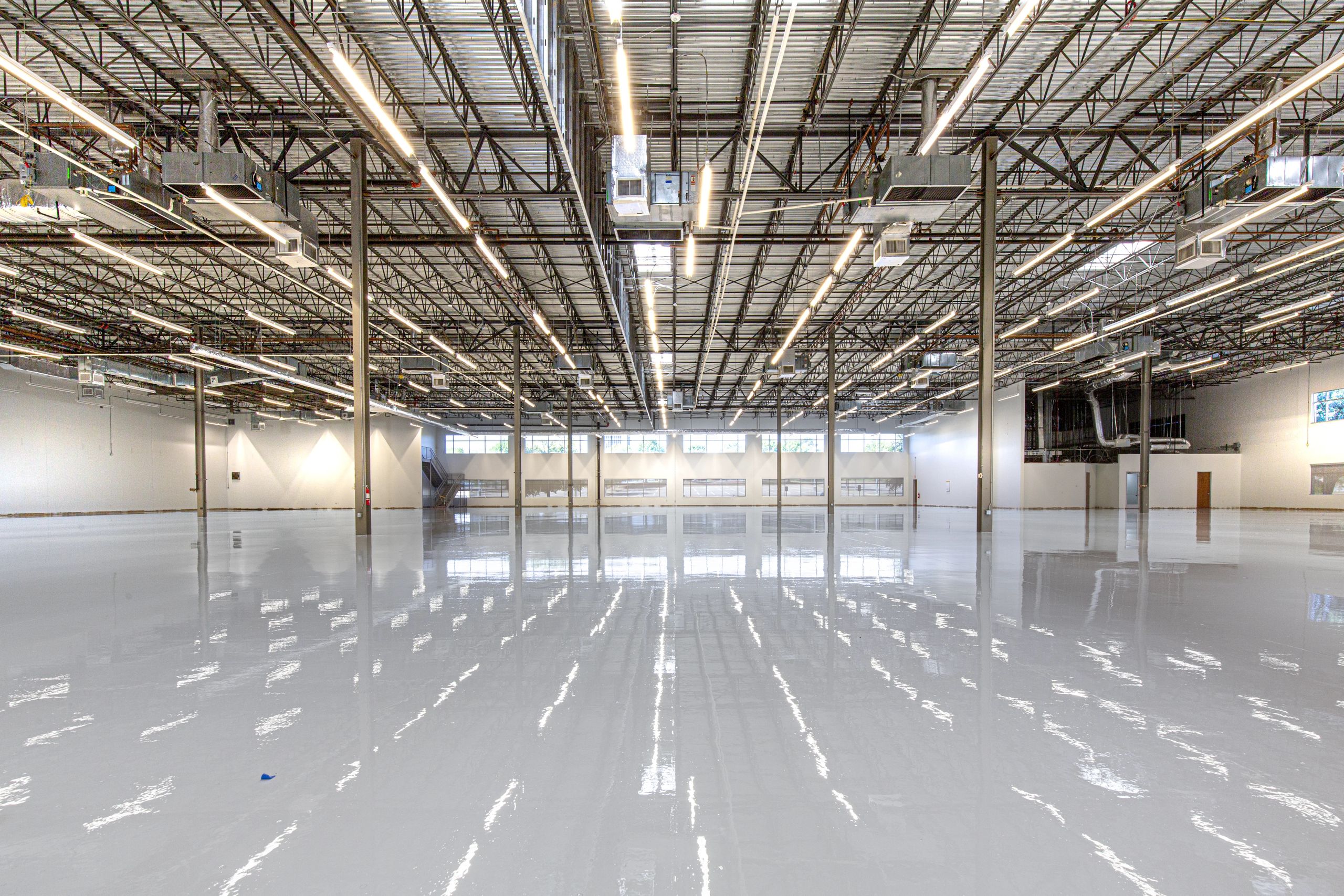
Epoxy Flooring in Miami Built for Florida Humidity
Most epoxy problems in Miami are not about the color or the finish. They are about moisture in the slab, heat, and salt air. We start with the concrete underneath, prepare it properly, and install a system that fits how the floor will actually be used.
Garages, homes, condos, and commercial spaces across Miami-Dade. Call to talk through your floor, your slab, and the right system for it.
Why Epoxy Fails in Miami
Miami averages about 74 to 80 percent humidity, with spikes past 90 percent. That moisture does not stay in the air. It moves through concrete, sits under coatings, and shows up later as peeling, bubbling, or a cloudy finish. A floor that would hold up in a dry climate can fail here if the slab is not tested and prepared for local conditions.
Moisture vapor transmission
Concrete is porous. Water vapor can move up through a slab even when the surface looks dry, and that pressure can push a coating off from below. Testing before installation tells us whether a standard system is enough or whether moisture mitigation is needed first.
Amine blush
In warm, humid conditions, some epoxy can develop a waxy or cloudy layer on the surface, known as amine blush. It affects adhesion and appearance, and it is one reason application conditions and cure time matter as much as the product itself.
Hot tire pickup and delamination
Hot tires, poor surface preparation, and trapped moisture are a bad combination. When a coating has not bonded well to the concrete, it can lift in patches, peel where tires rest, or delaminate in larger sections. Proper grinding and the right system for the use of the floor reduce that risk.
Salt air near the coast
Near the coast, salt air and damp conditions add another layer of wear. Floors in beachside buildings, parking structures, and ground-level spaces need systems and preparation that account for that exposure, not a one-size-fits-all coating.
Prevention starts before the coating goes down
Prevention is straightforward, even if it is not fast: test the slab for moisture, prepare the surface mechanically, address vapor issues when they are found, and apply the system at the thickness it was designed for. Skipping those steps is how a new-looking floor turns into a short-lived one.
Why Miami Trusts Us
We do not promise a floor that works everywhere. We build floors for Miami concrete, Miami weather, and the way each space is used.
1. Moisture-First Diagnosis
We inspect the slab and test for moisture before quoting a system, so the recommendation is based on what is actually under the floor, not on a guess from the surface. If moisture is a problem, we say so and explain what it will take to handle it.
2. ASTM & ICRI-Standard Prep
Surface preparation follows recognized standards, including ASTM moisture testing and ICRI concrete surface profiles. That means mechanical preparation, such as diamond grinding, to give the coating a surface it can bond to, rather than relying on a quick chemical etch.
3. Commercial & Condo Scheduling
Commercial spaces and condo garages cannot always shut down during the day. We plan work around operating hours, building rules, and access limits, and we are clear up front about walk, drive, and load times so tenants, staff, and residents know what to expect.
4. Straightforward Pricing
Pricing is explained in terms of what drives it: the size of the floor, the condition of the slab, whether moisture mitigation is needed, and the system chosen. No price list is published here because those factors change the scope, and a number without an inspection would be misleading.
Our Epoxy Flooring Services in Miami
Choose a system for the room, the traffic, and the slab underneath it. Each service below is described in plain terms, and each is installed with Miami moisture and heat in mind.
Garage Floor Coatings
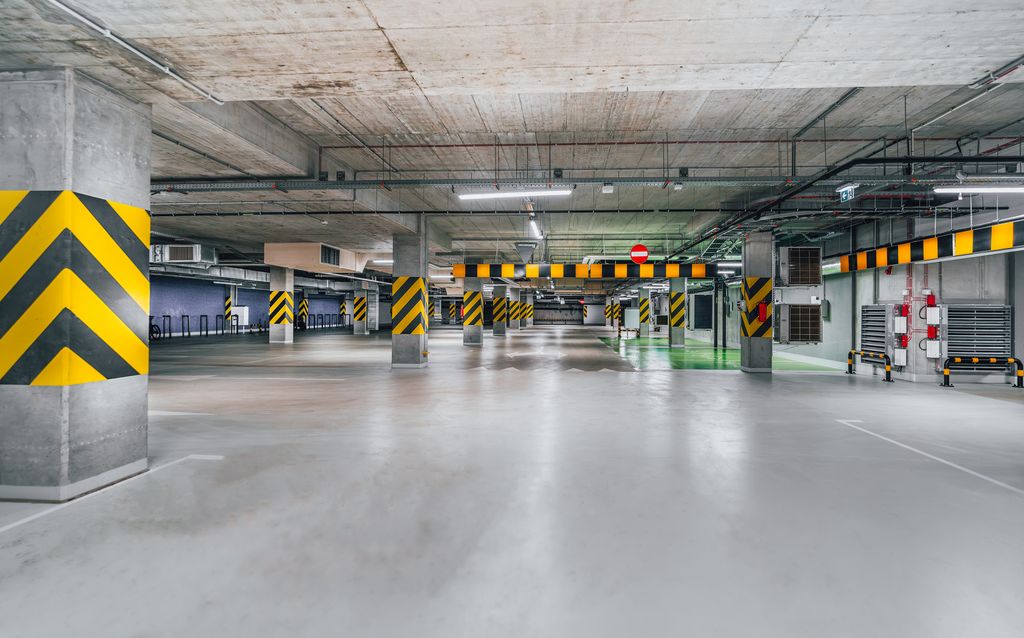
A durable, easy-to-clean coating for everyday garage use, built to stand up to cars, tools, and spills.
Residential Epoxy Flooring
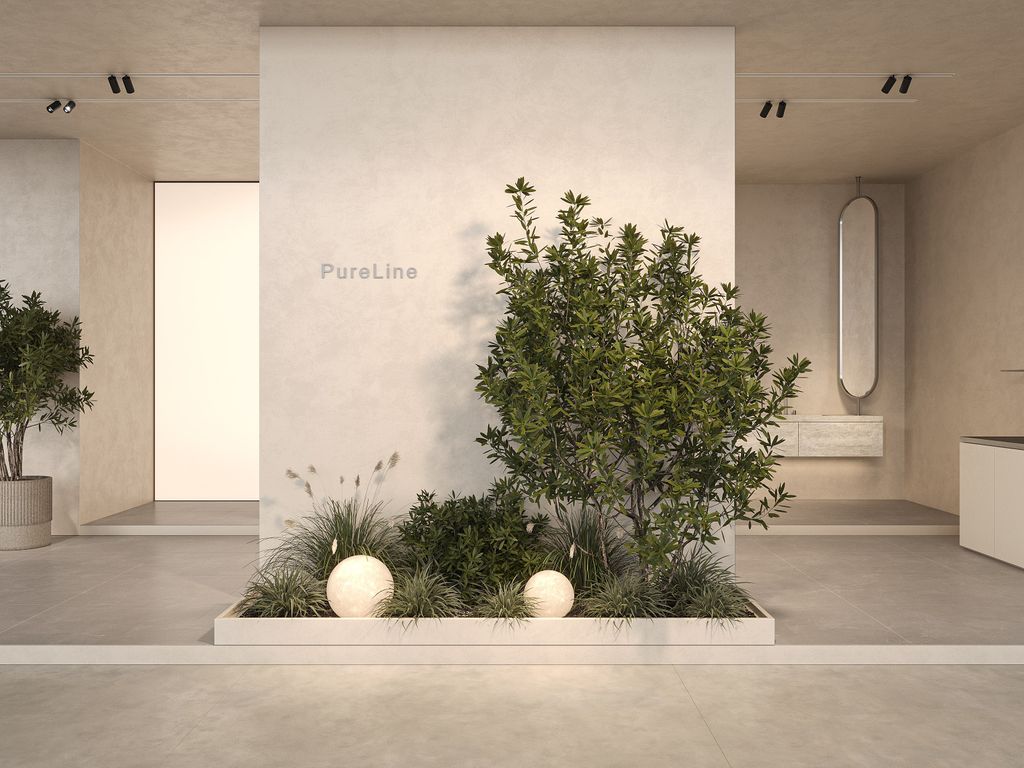
Smooth, sealed floors for living spaces, patios, and other areas of the home where a hard, low-maintenance surface makes sense.
Polyaspartic Coatings
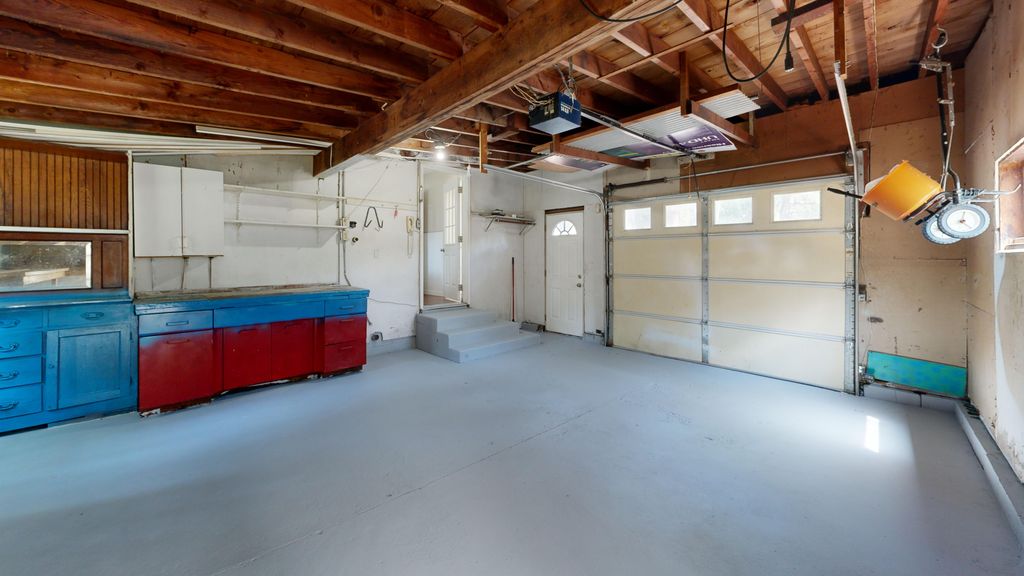
A fast-curing topcoat option often used where quicker return to use and strong UV and abrasion resistance matter.
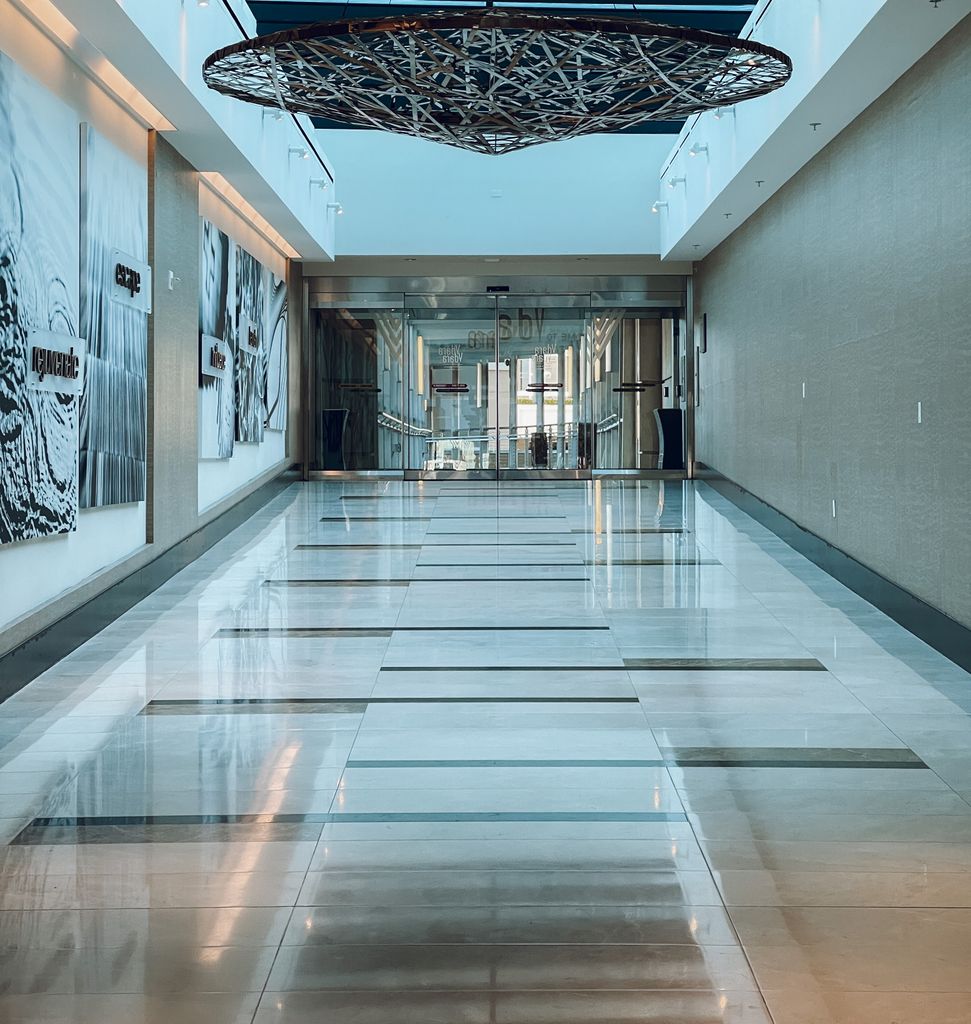
Metallic Epoxy
A decorative epoxy with a flowing, marble-like look for showpiece rooms, showrooms, and feature floors.
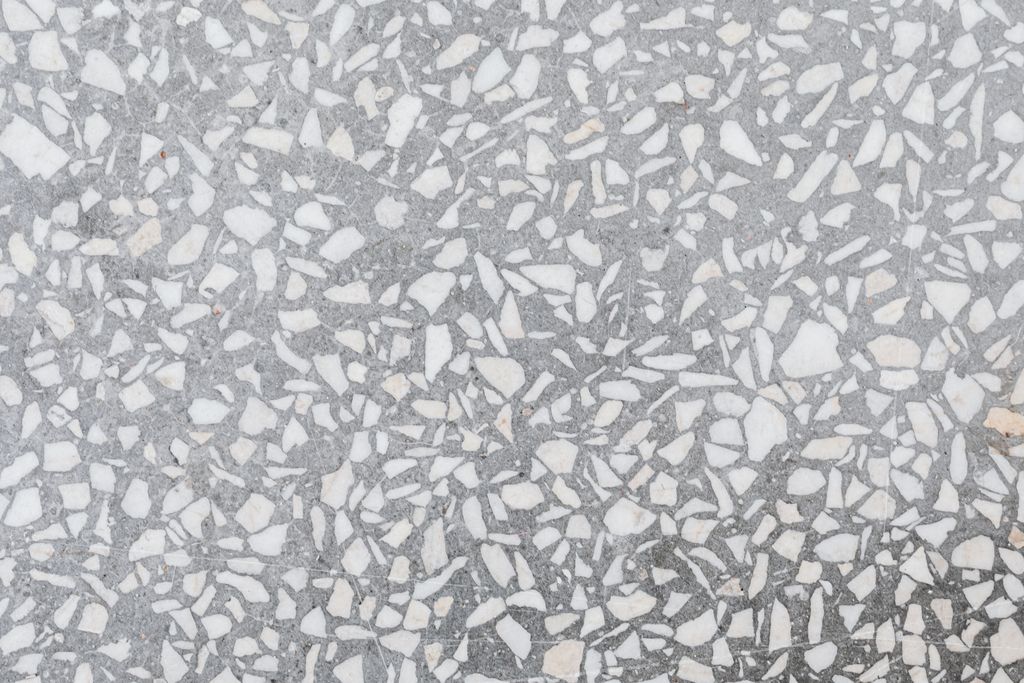
Flake & Quartz Systems
Broadcast flake or quartz finishes that add texture, color, and slip resistance for garages and busy floors.
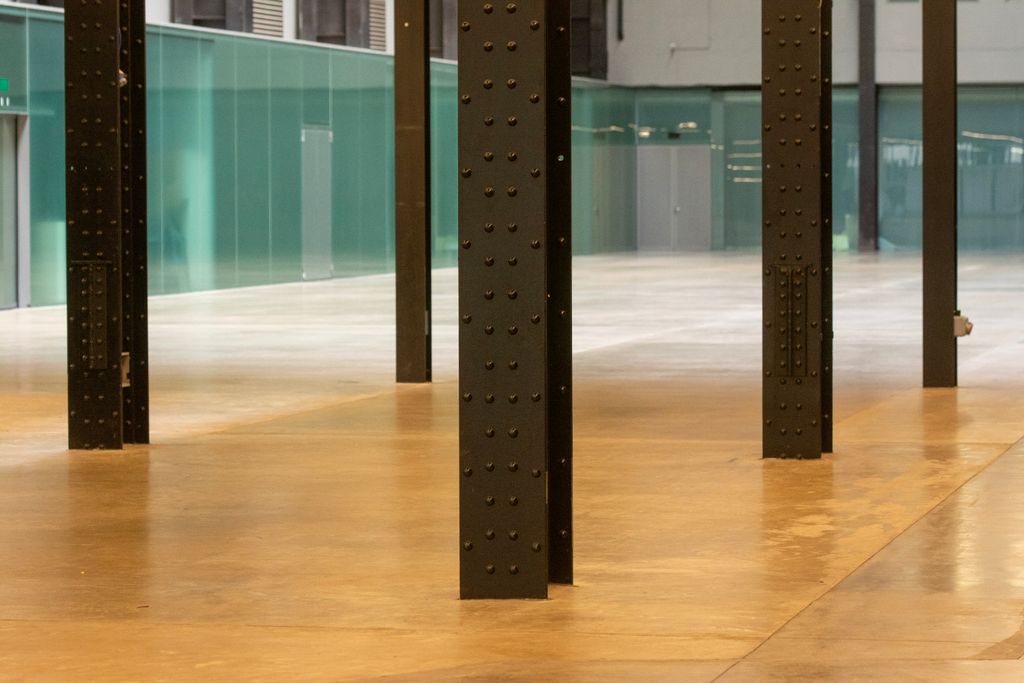
Commercial Epoxy Flooring
Hard-wearing floors for shops, offices, restaurants, and other commercial spaces that need to stay in service.
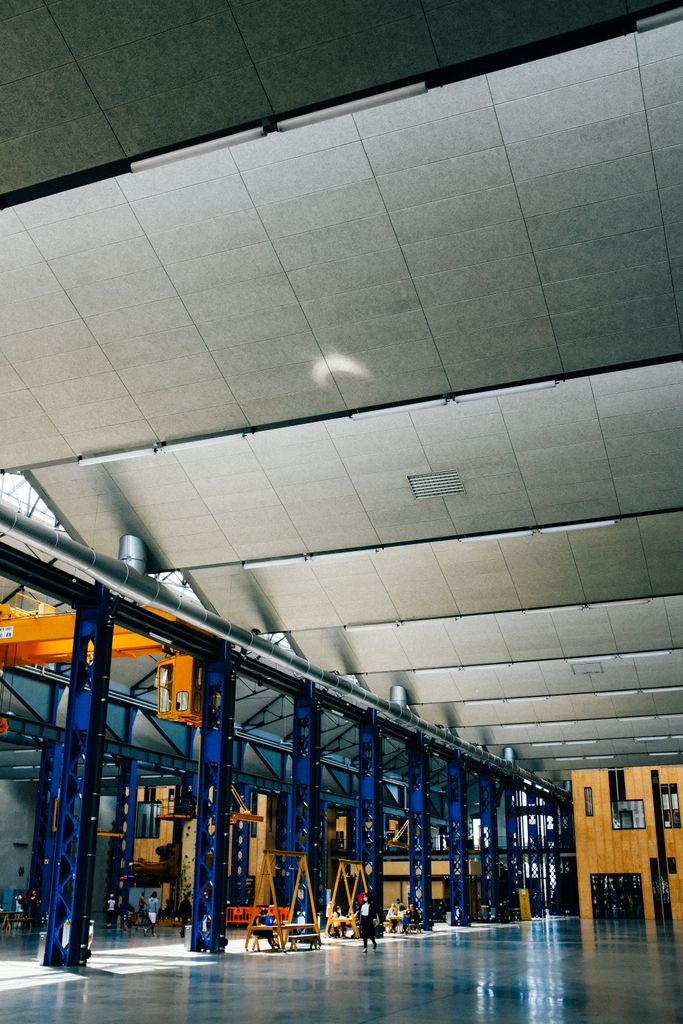
Industrial Epoxy Flooring
Heavier-duty systems for warehouses, workshops, and industrial floors exposed to equipment, chemicals, and heavy loads.
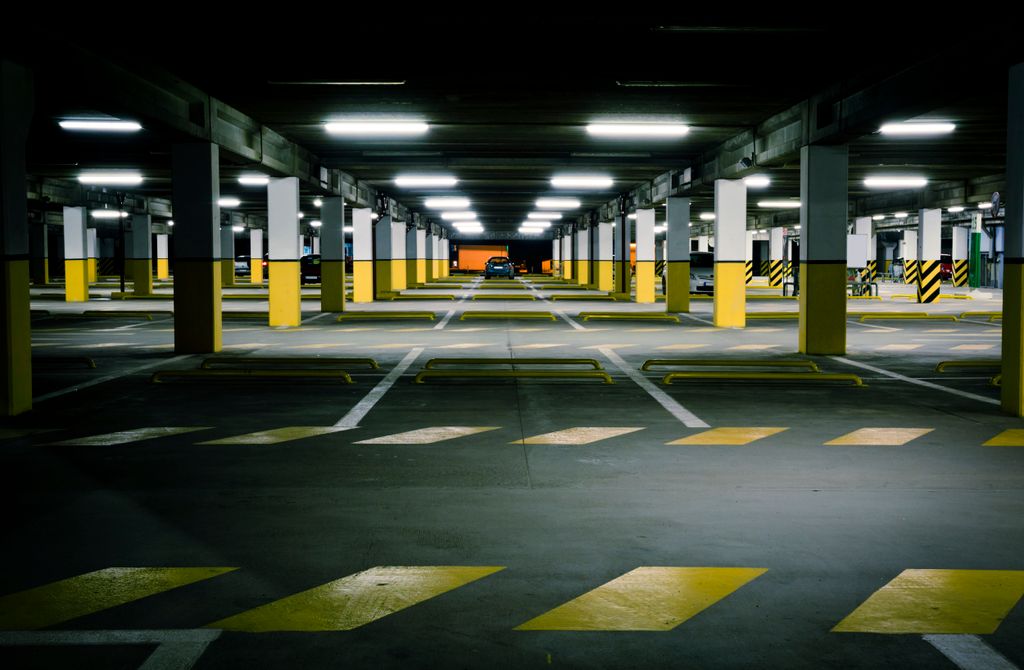
Condo & HOA Parking Garages
Coatings and scheduling planned around residents, parking access, and building rules for condo and HOA garages.
Serving Miami-Dade
We work across Miami-Dade. The slab, the building type, and the schedule are different in each area, so the plan for the floor is different too.
Coral Gables
Older homes and established neighborhoods, where slab condition and past coatings often decide the prep work.
Brickell & Downtown
High-rise living and parking structures, where building access, elevators, and timing matter as much as the coating.
Coconut Grove
Leafy, older properties near the bay, where shade, moisture, and mature landscaping keep slabs damp longer.
Doral
Warehouses, workshops, and commercial units, where forklifts and daily traffic set the durability requirements.
Kendall & Pinecrest
Family homes with larger garages, where storage, vehicles, and everyday use shape the system choice.
Miami Beach
Coastal condos and beachside buildings, where salt air and ground-level dampness need to be factored in from the start.
Wynwood/Design District
Studios, galleries, and showrooms, where the floor is part of the look and still has to handle real foot traffic.
Hialeah
Workshops and working garages, where oil, tools, and heavy use call for a practical, hard-wearing finish.
Homestead
Larger properties and outbuildings, where bigger floor areas and open, exposed spaces change the scope of the job.
Our Process
No shortcuts at the stage that matters most: the slab. Here is the order we work in, and why each step is there.
Step 1: Free on-site inspection & ASTM F1869 moisture test before quoting
We look at the slab, check its condition, and run an ASTM F1869 moisture test before giving a quote, so the system and the price reflect real conditions.
Step 2: Mechanical surface prep / diamond grinding (ICRI CSP 3-5), no acid-etch shortcuts
The surface is prepared mechanically, usually by diamond grinding to an ICRI CSP 3-5 profile. That gives the coating something to grip. Acid etching alone does not create the same bond.
Step 3: Moisture mitigation / vapor barrier when needed
If testing shows vapor levels that a standard system cannot handle, a moisture mitigation layer or vapor barrier goes in first. If it is not needed, we do not add it.
Step 4: System application at correct mil thickness
Primer, base coat, flake or metallic layer where specified, and topcoat are applied at the thickness each layer was designed for, so the finished floor performs as intended.
Step 5: Cure & walk-through with clear walk/drive/load timing
We walk the finished floor with you, explain when it can be walked on, driven on, and loaded, and leave you with clear timing instead of a guess.
What Affects Epoxy Flooring Cost in Miami
There is no single price for epoxy flooring in Miami, because the scope changes from slab to slab. These are the factors that move a quote up or down:
- Square footage: larger floors spread fixed setup costs, but use more material and labor.
- Slab condition: cracks, old coatings, stains, and repairs add preparation work before any coating goes down.
- Moisture mitigation: if testing calls for a vapor barrier or mitigation layer, that is a separate, necessary step.
- System type: a basic garage coating, a flake or quartz system, metallic epoxy, and polyaspartic topcoats are different jobs with different materials.
- Residential vs. commercial: access, scheduling, building rules, and traffic requirements change how the work is planned and priced.
Hurricane season, June through November, also affects scheduling and cure windows. Heavy rain, high humidity, and storm disruption can push work or extend cure time, so jobs in those months need a realistic window built into the plan, not a rushed one.
See our cost guides.
Frequently Asked Questions
Why does epoxy fail more often in Miami?
Humidity is the main reason. With average humidity around 74 to 80 percent and spikes past 90 percent, moisture vapor moves through concrete and can lift a coating that was not tested, prepared, or mitigated for it. Salt air near the coast and heat add to the stress.
What is the downside of epoxy flooring?
Epoxy needs a sound, dry-enough slab and proper preparation, and it needs cure time before it can be driven on or loaded. It can be slippery when wet unless a slip-resistant finish is added, and it can yellow or wear if the wrong system is used for the space.
How much does epoxy flooring cost in Miami?
Cost depends on square footage, slab condition, whether moisture mitigation is needed, the system type, and whether the job is residential or commercial. No price is listed here because a useful number needs an on-site inspection and a moisture test first. Call for a quote based on your actual floor.
How long does epoxy last on Miami concrete?
How long a floor lasts depends on the slab, the preparation, the system, and how the floor is used and maintained. A floor that is tested, ground, and coated at the right thickness in Miami conditions will last far longer than one installed over an untested, unprepared slab.
Is epoxy flooring hard to maintain?
No. Regular sweeping and damp mopping handle most day-to-day cleaning. Spills should be wiped up rather than left to sit, and harsh abrasives should be avoided, but there is no waxing or sealing routine like some other floor types require.
Can epoxy be made slip-resistant?
Yes. Flake and quartz systems, broadcast aggregates, and slip-resistant topcoats add texture and grip. Tell us where the floor gets wet or sees bare feet, and we can match the level of texture to that use.
Epoxy vs. polyaspartic for Miami: which is better?
It depends on the job. Epoxy is a proven, versatile base system. Polyaspartic cures faster and offers strong UV and abrasion resistance, which can help where quick return to use matters. The slab, the use of the floor, and the schedule decide which fits, and sometimes polyaspartic is used as a topcoat over epoxy.
Can you work around business hours or in condo and HOA garages?
Yes. Commercial and condo work is planned around operating hours, resident access, and building rules. We confirm walk, drive, and load timing up front so the work fits the building schedule instead of disrupting it.
Contact Us
This is a call-based service. Call to talk through your floor, book an on-site inspection, or ask what system fits your slab and your schedule.
Hablamos español. If you prefer to discuss your floor in Spanish, call and let us know.
Epoxy Flooring Experts Miami
Phone: (305) XXX-XXXX
Address: [Address: add here]
Hours: [Hours: add here]
[License #: add here]