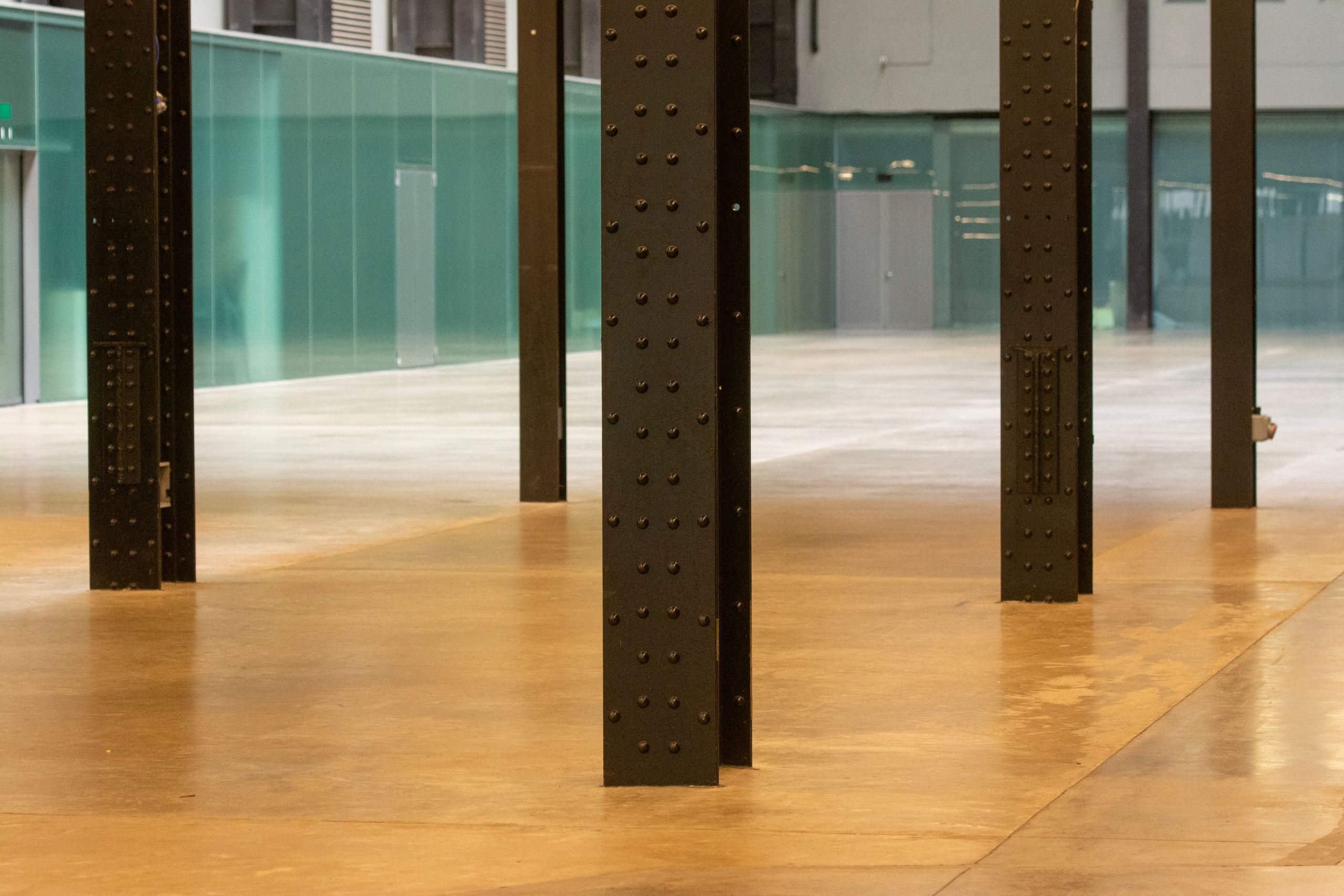
Concrete Polishing in Miami
Concrete polishing grinds and refines an existing concrete slab into a smooth, durable floor with a matte, satin, or high-gloss finish. It works with the concrete you already have, rather than adding a coating on top, and suits homes, showrooms, warehouses, and retail spaces.
What Concrete Polishing Is and How It Works
Polishing uses diamond grinding in stages, from coarse to fine, to level the surface and reveal the concrete underneath. A densifier hardens the surface, and a sealer or guard protects it. The result is a hard, low-maintenance floor that reflects light and resists dust and stains better than raw concrete.
Why It Matters in Miami Humidity and Moisture
Polished concrete has no coating to trap moisture, which helps in humid Miami conditions, but the slab still needs checking first. Moisture testing and an inspection for cracks, old coatings, and repairs guide the grinding plan. Salt air near the coast favors a sealed, easy-to-clean surface that can be washed without damaging a coating.
Best Uses and Who It Suits
Polishing suits showrooms, offices, retail floors, warehouses, garages, and modern homes where a clean, industrial look fits. It is a good fit when the existing slab is sound and the owner wants a durable floor without a thick coating.
Our 5-Step Process
Step 1: Free on-site inspection and moisture check before quoting. Step 2: Diamond grinding in stages to the right profile and finish level. Step 3: Densifier and repairs as needed for a hard, even surface. Step 4: Final polish and sealer at the chosen gloss level. Step 5: Cure and walk-through with clear cleaning and maintenance guidance.
Maintenance in Plain Terms
Dust-mop regularly and damp-mop with a mild, neutral cleaner. Avoid harsh acids and heavy abrasive pads. Wipe up spills promptly, and use mats at entries to catch sand and grit. A periodic reseal helps keep the gloss and stain resistance.
What Affects Cost
Cost depends on size, slab condition, the gloss level chosen, and whether repairs, old coatings, or stain removal are needed. Access and scheduling also affect the final figure, which follows an inspection.
Frequently Asked Questions
Is polished concrete slippery?
A high-gloss finish can be slick when wet. Gloss level and a suitable sealer can be chosen for the space, and mats help at wet entries.
Can any concrete slab be polished?
Most sound slabs can, but cracks, soft concrete, and old coatings affect the result. An inspection checks the slab before a finish level is promised.
How is polishing different from epoxy?
Polishing refines the concrete itself, while epoxy adds a coating on top. Polishing gives a natural concrete look; epoxy gives color, flake, and coating options.
Does polished concrete stain easily?
Sealed polished concrete resists stains better than raw concrete, but spills should still be wiped up promptly, especially oils and acids.
Related Services
Also see Epoxy Flooring, Urethane Cement, and Microcement, or return to the homepage.